Top 5 Smog Myths Debunked by Expert Mechanic
Automotive, Smog Check, Vehicle Maintenance
Top 5 Smog Myths Debunked by a Certified Master Mechanic
Smog checks can feel like a guessing game, especially when you hear conflicting advice from friends, forums, and even some shops. Drawing on the experience and perspective of a certified Master Mechanic, this guide cuts through the noise and explains what really matters for passing a smog test—without wasting money on myths and quick fixes that do more harm than good.
Why Smog Myths Are So Common (and Costly)
Emissions rules are complicated. Different model years follow different standards, modern vehicles rely on computer-controlled systems, and every state or region adds its own regulations. That confusion creates the perfect environment for myths—some harmless, others expensive, and a few that can actually make your car more likely to fail a smog test.
A certified Master Mechanic sees the same patterns over and over: drivers spending money on unnecessary premium fuel, delaying needed repairs, disconnecting batteries at the worst possible time, or assuming their vehicle is exempt when it is not. Underneath almost every myth is the same problem—a lack of proper diagnostics and maintenance.
Key Takeaway: Passing smog is not about tricks; it is about understanding how your car’s engine, fuel, oil, and emissions systems actually work—and maintaining them correctly.
Myth #1: “If the Check Engine Light Is Off, I’ll Automatically Pass”
The Truth: Proper Diagnostics Matter More Than Any Dashboard Light
Many drivers assume that a dark instrument panel means a clean bill of health. In reality, the check engine light is only one piece of the emissions puzzle. Modern vehicles use an onboard computer (ECM/PCM) that continuously monitors dozens of components: oxygen sensors, catalytic converter efficiency, evaporative emissions system, EGR valves, and more. If these “readiness monitors” are not set, your car can fail—even with no warning lights on.
This is where proper diagnostics come in. A certified Master Mechanic will connect a professional scan tool, check for stored and pending codes, review live data, and verify that all required monitors are complete. They do not just clear codes and hope for the best; they investigate the root cause, whether it is a lazy oxygen sensor, a small vacuum leak, or a failing catalytic converter.
Pro Tip: Before your smog test, ask your mechanic to perform a pre-check with a scan tool. Confirm that there are no active or pending codes and that all required monitors show “ready.”
Relying on the dashboard alone often leads to last-minute panic. Proper diagnostics give you time to fix issues correctly instead of gambling on the test lane.
Myth #2: “Premium Gas Will Clean My Engine and Help Me Pass Smog”
The Truth: Fuel Quality Matters, But Octane Is Not a Magic Fix
A very common misconception is that filling up with premium fuel right before a smog check will “burn cleaner” and lower emissions. Octane rating (87, 89, 91, etc.) simply measures a fuel’s resistance to knock—it does not automatically make your exhaust cleaner. If your engine is designed for regular fuel, running premium will not fix a failing catalytic converter, worn spark plugs, or a misfiring cylinder.
That said, fuel quality does matter. Consistently using low-quality gasoline without proper detergents can contribute to carbon buildup on intake valves, injectors, and combustion chambers. Over time, that buildup can affect air–fuel mixture, increase emissions, and trigger diagnostic trouble codes. Many Master Mechanics recommend using Top Tier fuel brands that include higher-quality detergents, or periodically using a reputable fuel system cleaner—well before your smog date, not the night before.
Key Takeaway on Premium Gas: Use the octane your manufacturer recommends. Focus on consistent, good-quality fuel and proper maintenance instead of dumping in premium at the last minute and expecting miracles.
Myth #3: “I’ll Just Get an Oil Change Right Before the Test—That Guarantees a Pass”
The Truth: Oil Maintenance Is Crucial, But Timing and Condition Matter
Oil changes are one of the most important services for any engine, and they do affect emissions. Old, dirty oil can become thinned with fuel and contaminated with combustion byproducts. That increases internal friction, can cause higher blow-by (gases slipping past the piston rings into the crankcase), and may overwhelm the PCV system. All of this can raise hydrocarbon emissions and stress the catalytic converter.
However, the myth is that an oil change done right before the test is a cure-all. If your engine is burning oil, misfiring, or running rich, fresh oil alone will not fix the underlying problem. In some cases, if the oil change is rushed and the correct viscosity or specification is not used, it can even make drivability worse and affect emissions control systems.
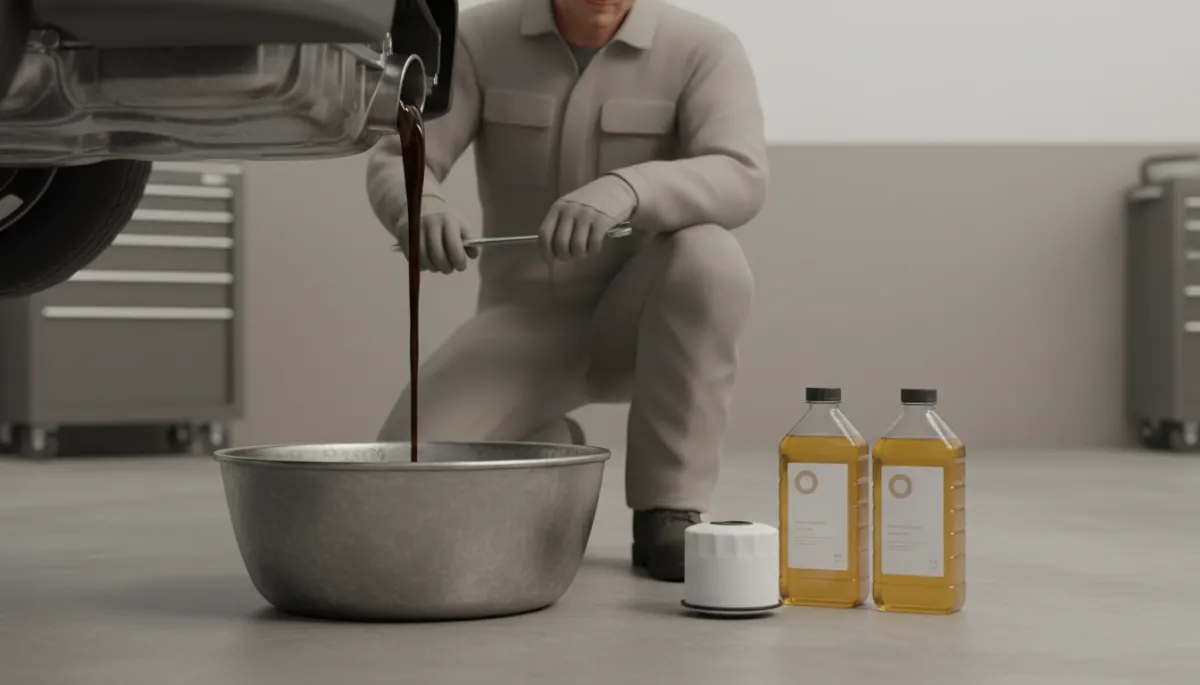
Close-up of a master mechanic in a -toned shop draining dark engine oil into a pan next to fresh...
Regular oil changes protect the engine and reduce emissions over the long term.
From a Master Mechanic’s perspective, oil maintenance should be part of your long-term plan, not a last-minute trick. Follow the manufacturer’s interval, use the recommended grade and type (conventional, synthetic blend, or full synthetic), and keep an eye on oil consumption between services. If you are adding oil frequently, that is a sign to investigate deeper issues that can absolutely cause smog failures.
Pro Tip: If your oil is overdue for a change, service it at least a week or two before your smog test. This gives you time to spot leaks, check for new warning lights, and verify everything is running smoothly.
Myth #4: “If I Disconnect the Battery, the Codes Will Clear and I’ll Pass”
The Truth: Battery Disconnects Can Make You Instantly Fail
This is one of the most damaging smog myths. Yes, disconnecting the battery can clear stored trouble codes on many vehicles. But it also erases all the readiness monitors your car has carefully built up over hundreds of miles. When you show up at a smog station right after a battery disconnect, the test computer often sees “not ready” for several key systems—an automatic failure in many regions.
After a battery reset, the engine computer must relearn fuel trims, idle speed, and system checks through a specific series of driving conditions. This is known as a drive cycle. A Master Mechanic knows how to perform or approximate the correct drive cycle so monitors can set properly. Simply driving “around the block” is rarely enough.
Warning: Never disconnect your battery as a shortcut to hide problems before a smog test. Address the underlying issue, then allow enough driving time for all readiness monitors to complete.
If you have recently replaced a battery, alternator, or major sensor, or if your vehicle sat unused for a long time, let your mechanic check monitor status before heading to the test station. This simple step can save you a failed test fee and a lot of frustration.
Myth #5: “Older Cars Are Automatically Exempt—Or Impossible to Pass”
The Truth: Vehicle Age Changes the Rules, Not the Responsibility
Understanding smog requirements for different vehicle ages is one of the most confusing areas for drivers. Some regions exempt very old classic cars, some exempt brand-new vehicles for the first few years, and others test almost everything on the road. Many people believe that if their car is “old enough,” it must be exempt—or that if it still needs testing, it will never pass because of its age alone.
In reality, vehicle exemptions are specific and legal, not based on guesswork. For example, a state may exempt vehicles older than a certain model year, but only if they are registered as classic or limited use. Newer vehicles may be exempt for their first few registration cycles, but then enter regular testing. The only reliable way to know is to check your local DMV or environmental agency guidelines—not rely on what a neighbor says in the driveway.
For vehicles that do require testing, the standards are usually matched to the technology and emissions controls available when the car was built. A well-maintained 20-year-old car can and often does pass its smog test. A Master Mechanic will look at age-related issues—worn vacuum hoses, tired oxygen sensors, partially clogged EGR passages—and address them before test time.
Key Takeaway on Vehicle Age: Do not assume you are exempt, and do not assume you are doomed. Know the rules for your model year, and maintain the car according to its design.
Misconceptions About Smog Stations Themselves
“They Just Want Me to Fail So They Can Sell Repairs”
Another persistent myth is that smog stations are out to fail your car for profit. While there are always bad actors in any industry, most smog stations operate under strict regulations and regular audits. In many areas, test-only stations are not even allowed to perform repairs, precisely to avoid conflicts of interest. Their job is to measure what your vehicle is actually emitting and report it accurately.
A certified Master Mechanic understands the testing procedure, the equipment, and the limits of what a smog technician can and cannot do. Blaming the station often distracts from the real issue: a car that has not been properly maintained or diagnosed. If you fail, ask for the full printout and bring it to a trusted mechanic. They can interpret the readings—high NOx, excessive HC, elevated CO—and trace them back to specific systems.
Pro Tip: Choose a reputable smog station with good reviews and transparent pricing. Pair that with a trusted repair shop or Master Mechanic who can handle diagnostics and fixes if needed.
Common Mistakes Drivers Make Before a Smog Test
Ignoring the check engine light for months and hoping it “goes away” the week registration is due.
Disconnecting the battery or clearing codes right before the test, leaving monitors incomplete.
Filling up with premium gas at the last minute instead of maintaining the vehicle year-round.
Skipping regular oil changes, then expecting one emergency service to undo years of neglect.
Assuming their vehicle is exempt without checking official regulations.
Avoiding these mistakes is less about insider secrets and more about planning ahead. A Master Mechanic will tell you: treat smog testing as part of your regular maintenance strategy, not a once-every-few-years fire drill.
A Master Mechanic’s Checklist for Smog-Test Success
1. Start with Diagnostics, Not Guesswork
Schedule a pre-test inspection if your car is older, has high mileage, or has had recent engine or electrical work. Ask your mechanic to scan for codes, check monitor status, and look for obvious issues like misfires, vacuum leaks, or exhaust leaks. Proper diagnostics prevent you from throwing parts and money at the problem blindly.
2. Maintain Fuel and Oil the Right Way
Use quality fuel from reputable stations, follow the octane recommended in your owner’s manual, and avoid last-minute “miracle” additives. Keep up with oil changes on schedule, using the correct grade. If your mechanic notes fuel dilution, heavy sludge, or excessive oil consumption, address it early—those are red flags for future smog problems.
3. Respect the Electronics: Do Not Reset Without a Plan
Avoid disconnecting the battery or clearing codes unless you are prepared to complete a proper drive cycle afterward. If a repair has been made, follow your mechanic’s instructions on how far and under what conditions to drive before attempting a retest. Let the computer relearn and confirm that the issue is truly resolved.
4. Know Your Vehicle’s Age-Based Requirements
Check official resources for your state or region to see how often your vehicle needs testing, whether it qualifies for any exemptions, and what kind of test it will receive (OBD-only, tailpipe, visual inspection, or a combination). Understanding the rules for your model year helps you plan maintenance and avoid registration surprises.
5. Build a Relationship with a Trusted Shop
The best way to avoid smog-test stress is to work with a shop that knows your car’s history. A certified Master Mechanic who has serviced your vehicle regularly can spot trends—like slowly rising fuel trims or gradually worsening oil consumption—long before they turn into a failed emissions test. Preventive care is almost always cheaper than emergency repairs under a registration deadline.
Promoting Proper Vehicle Maintenance for Cleaner Air and Easier Smog Tests
At the end of the day, smog programs exist to reduce pollution and protect public health. A well-maintained vehicle burns fuel more efficiently, produces fewer harmful emissions, and is more reliable and economical to own. When you focus on proper diagnostics, consistent fuel quality, regular oil maintenance, and a clear understanding of smog requirements for your vehicle’s age, passing the test becomes a byproduct of good habits—not a stressful gamble.
Ignore the myths about premium gas miracles, last-minute oil changes, battery disconnect tricks, or guaranteed exemptions. Instead, think like a Master Mechanic: gather accurate information, diagnose issues correctly, and maintain your car with the long term in mind. You will save money, reduce headaches, and do your part to keep the air—and your engine—clean.
Janna Crawford
Associate's degree General Automotive Technology
Associate's degree Master Automotive Technology
ASE Master Mechanic
Owner of 37 Smog and Repair Smog Check Hesperia CA | 37 Smog & Repair | ASE Certified
Professional Automotive Technician since 1999
Member of High Desert Trusted Auto Group